The house and the island
The house was built for trade union courses
The house is still used for courses, and it belongs to a time when the trade union movement built more than a dozen course and conference centres around the country.
The sixties
The movement built its own centres, out in the country
The hotels in the city centres were worn out and run down, so the trade unions built their own. They were built out in the country, at the edge of the forest and beside lakes, where participants went to stay for a week.
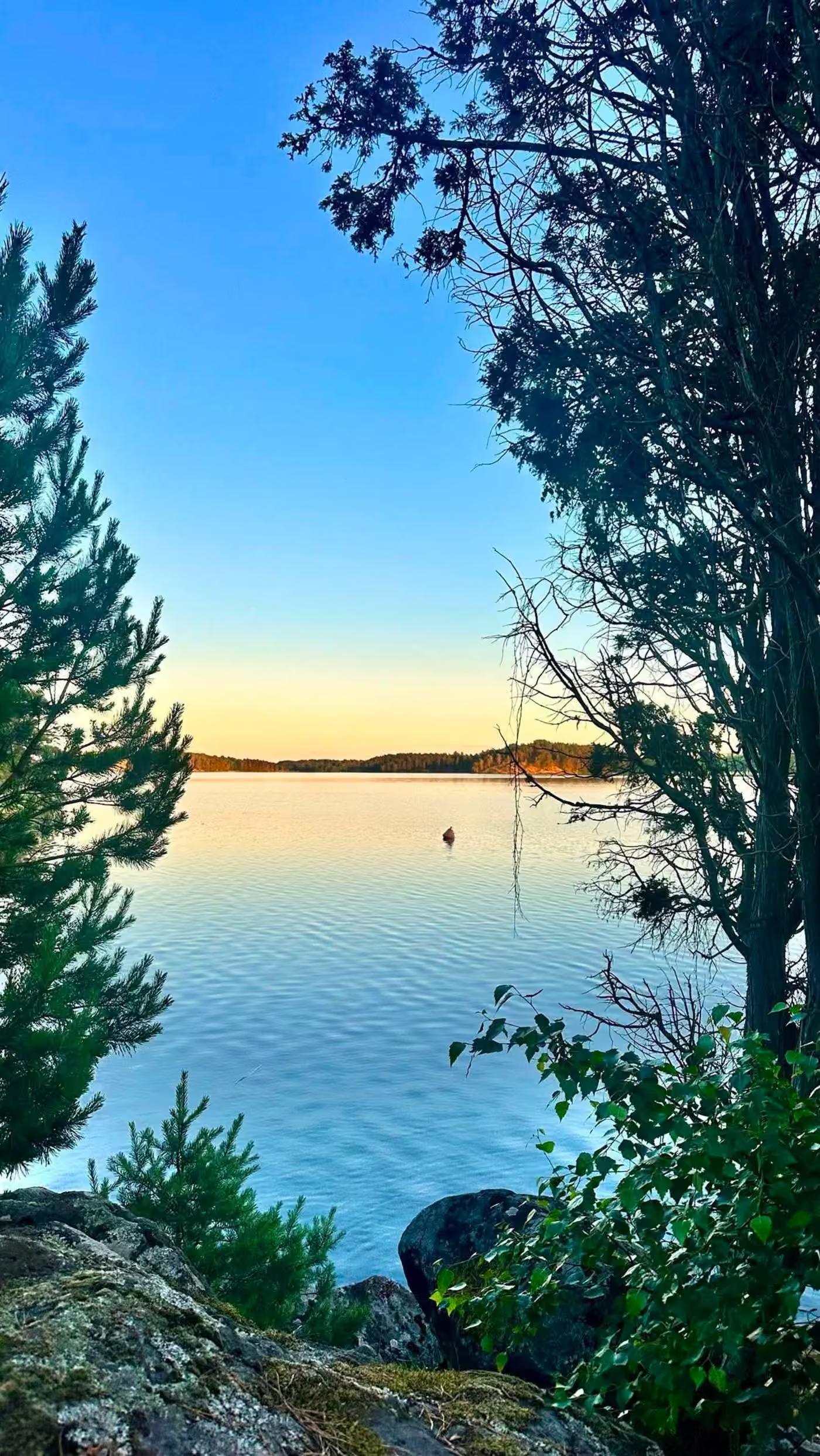
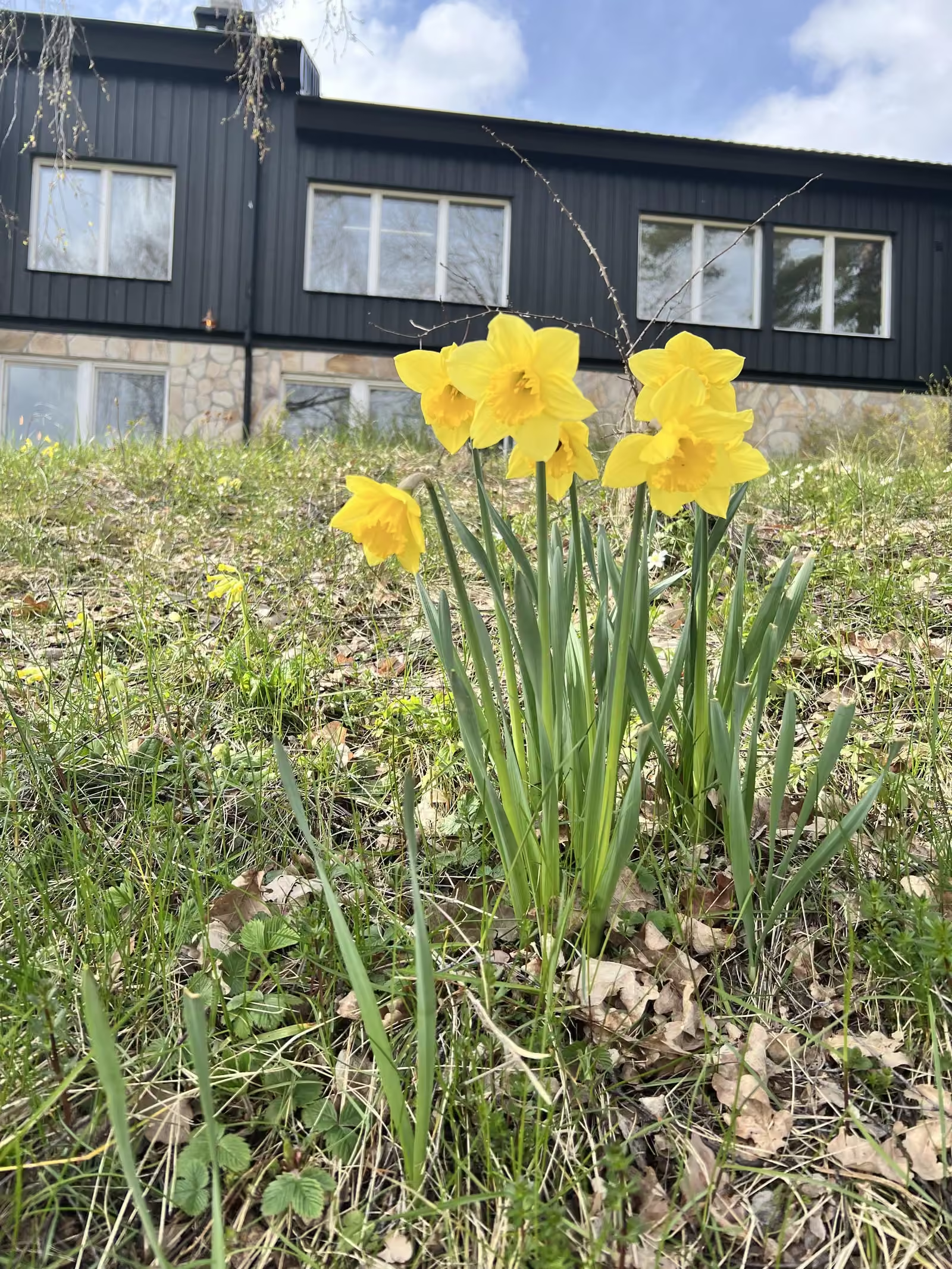
Aspö became one of them, and the house stands at the edge of the forest, turned so that its whole long side looks out over the meadow and the water. It's built on one storey with a lower ground floor under part of it, and it's a style of building typical of the time.
From the seventies on, centres like these became hard to run, while the number of hotels kept growing.
Since then
The house has been many things
Aspö has had several owners, the place has been thoroughly done up, and over the years it has housed everything from trade union courses to weddings and retreats.
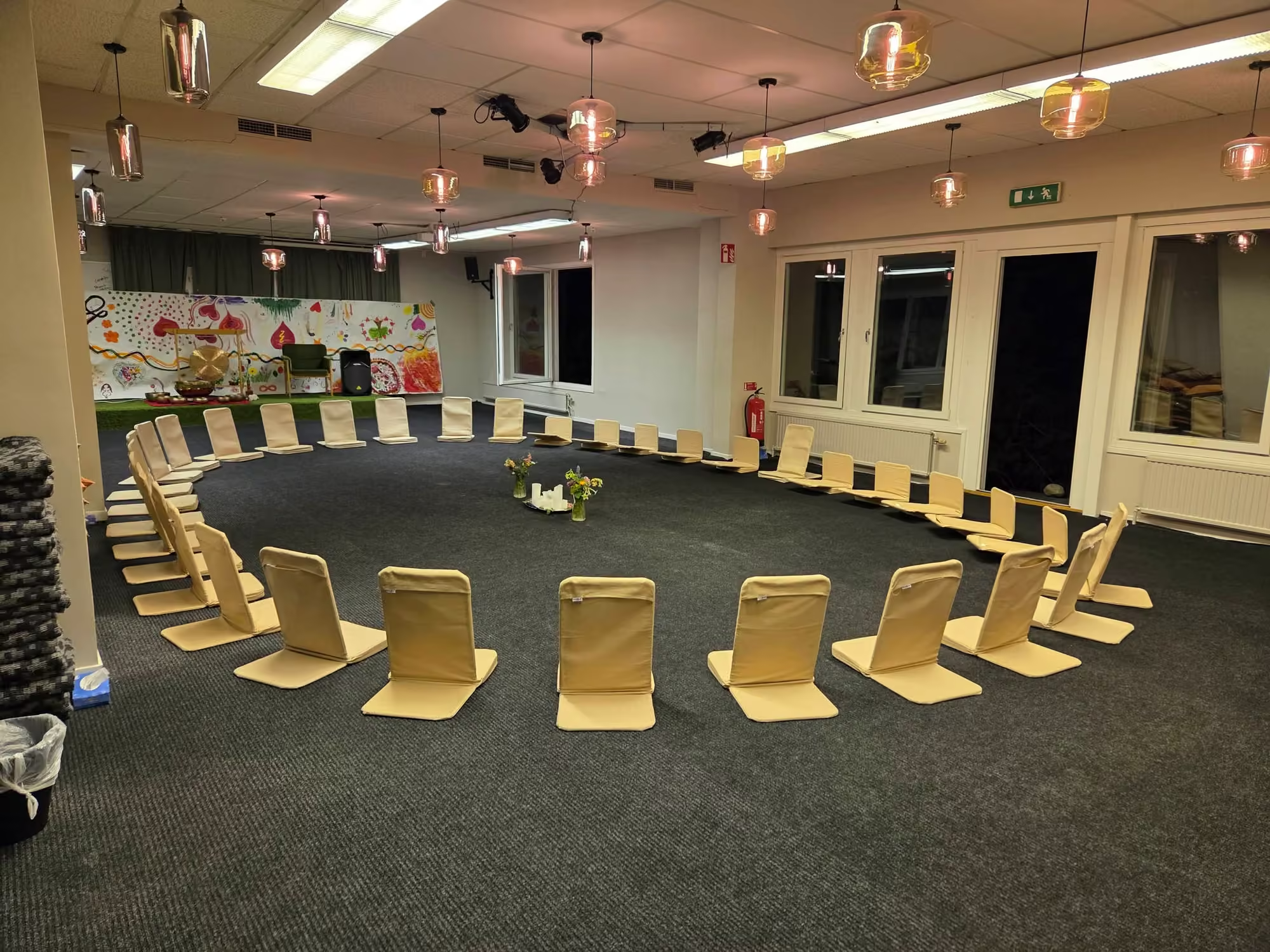
Now the house is back where it started, and people come here to learn something and to be somewhere else for a week.
Long before the house
The island was allotted to an officer
On a surveyor's map from 1688 Aspö is marked out as a farmstead in its own right, and the text beneath the map describes the farm as the residence of an infantry officer. That was the tenure system, under which a farm was set aside to support an officer. The farm went with the post, and whoever held the post lived there.
Three hundred years later staff from Sörmland's county museum went round the island taking photographs for a survey of military residences. In the museum's register the pictures are described as a former non-commissioned officer's residence.
The island has been mapped since 1637, and there are buildings on it that go back to the seventeenth century.
The parish
The parish has been inhabited since the Stone Age
Helgesta parish lies east of Flen and takes in a peninsula in northern Båven with the islands around it. In the parish there are Stone Age settlements, burial mounds and stone settings from the Bronze Age, and from the Iron Age a dozen burial grounds and four hill forts.
Two ancient monuments are registered on Aspö itself, a cairn nine metres across and a stone setting that has been excavated and removed.
At Sund in the same parish there's a runestone, raised in memory of a man who drowned in Båven.